
How To Use Colors For Your Branding
Colors for your Branding
Colors are used more than just as decoration. There is actually a science to how we respond to colors and how they make us feel. Think of your favorite brands. What colors do they use and what are your first thoughts about the brand? The colors for your branding matter.
When it comes to imagery and branding, how you represent yourself is extremely important. Keep in mind of your message and how you want to be represented.

Red evokes the emotions of warmth, excitement, boldness, and urgency. This makes it a popular choice for brands aiming to stand out and create a memorable impression. Overall, red in branding is utilized to stimulate emotions, encourage engagement, and leave a lasting impact on consumers. Brands like CNN, Target, and Coca-Cola are examples of how this color is used in their imagery.

Orange represents creativity, friendliness, and enthusiasm. Additionally, orange is associated with youthfulness and optimism, making it a compelling choice for brands targeting a younger demographic or those seeking to communicate a positive and uplifting message. Overall, orange in branding is used to spark excitement, foster creativity, and create a memorable brand personality. We see this in brands such as Etsy, Nickelodeon as well as Soundcloud.

Optimistic, clarity, and warmth is conveyed with the color Yellow. It’s a bright and cheerful color that can evoke feelings of happiness. Yellow is also associated with intellect and clarity, making it suitable for brands in industries such as technology, education, and communication. We see examples in brands such as McDonald’s, Mailchimp, and Nikon.

Green represents peace, growth, serenity, and health. Brands that incorporate green into their branding may aim to convey a sense of environmental friendliness, balance, and harmony. Green can also symbolize prosperity and abundance, making it a suitable choice for brands in industries such as finance, agriculture, and wellness. TD Bank, WholeFoods, and Spotify are great examples!

When you want to show trustworthiness, dependability, strength, and tranquility, Blue is always a great choice! Brands that use blue in their branding may aim to establish themselves as dependable and trustworthy entities in their respective industries. Blue is also associated with authority and intelligence, making it a common choice for corporate and financial institutions. Additionally, blue can evoke feelings of serenity and clarity, which is why it’s often used by brands in the technology and healthcare sectors to instill confidence and promote a sense of well-being. Think of brands such as Dell, Oral-B, and American Express for inspiration.
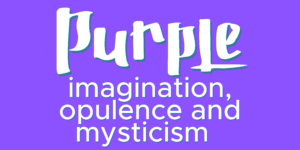
There was a reason why Barney the Dinosaur was purple! You got it, It represents imagination. It also can be used to convey opulence and mysticism. Purple is also associated with spirituality and mystery, making it a compelling choice for brands in industries such as beauty, fashion, and luxury goods. Additionally, purple can evoke a sense of nostalgia and whimsy, appealing to consumers’ desire for uniqueness and self-expression. Brands like Roku, Yahoo, and Twitch all use this color well.

Classic, professional, and edgy all can be used to describe Black. It’s a timeless and powerful color that can evoke feelings of luxury, strength, and professionalism. Brands that use black in their branding often aim to convey a sense of exclusivity, refinement, and seriousness. Black is also associated with simplicity and minimalism, making it a popular choice for brands that prioritize sleek and modern aesthetics. Additionally, black can create a sense of mystery and intrigue, adding an element of allure and sophistication to a brand’s image. Luxury brands such as Gucci, Louis Vuitton, and Chanel all use this sleek color.
It is said that White “the absence of color 🙄”, however, it’s far from that! White can be used for purity, balance, and calm. It’s a versatile and neutral color that can evoke feelings of clarity, sincerity, and openness. Brands that incorporate white into their branding often aim to convey a sense of simplicity, transparency, and integrity. White is also associated with freshness and modernity, making it a popular choice for brands in industries such as technology, healthcare, and lifestyle. Additionally, white can create a sense of space and expansiveness, allowing other brand elements to stand out effectively. Mercedes, Apple, and Wikipedia all use White in their branding.
Apply these color rules to your brand
When thinking of branding, take the time to understand your brand’s identity and messaging. Remember, there is a science to this colors game. Colors are more than just for aesthetic purposes. Choosing them wisely can make all the difference for the marketing of your brand. We can help you with that! Take a look at how we have utilized color strategically in our client’s products here.
